

Close
Choosing Between Cast Iron and Aluminum: A Performance Breakdown
2026-03-23 | Industry News
Choosing Between Cast Iron and Aluminum: A Performance Breakdown
In the global cookware market, two materials dominate the professional kitchen: Cast Iron and Aluminum. For B2B buyers and distributors sourcing from Yongkang, understanding the performance trade-offs between these two is essential for building a balanced and profitable inventory.
1. Heat Retention vs. Heat Conductivity
- Cast Iron: Known for its incredible heat retention. Once it鈥檚 hot, it stays hot, making it perfect for searing steaks and long-duration stews. However, it takes longer to preheat.
- Aluminum: The king of conductivity. It heats up almost instantly and distributes that heat evenly across the entire surface, preventing "hot spots" that can burn delicate sauces.
2. Durability and Weight
- Cast Iron: Virtually indestructible. A well-maintained cast iron skillet can last generations. The downside is the weight; it鈥檚 heavy to ship and heavy to handle.
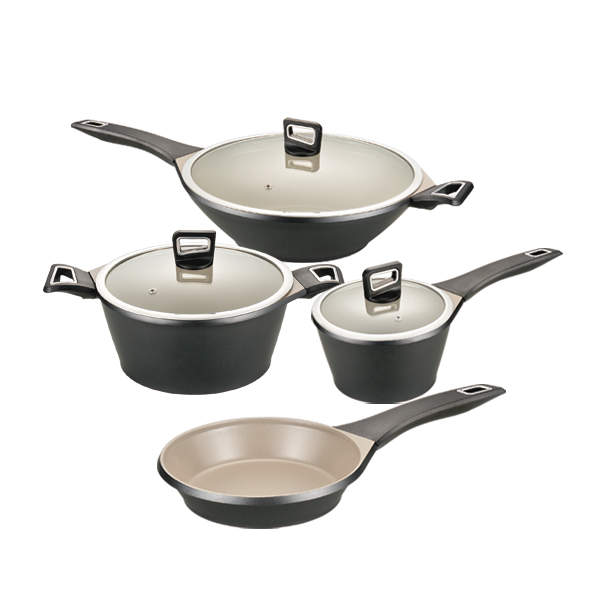
- Aluminum: Lightweight and easy to maneuver. Modern Yongkang manufacturers use die-cast aluminum to provide a sturdier feel that mimics the durability of iron without the back-breaking weight.
3. Maintenance and Non-Stick Properties
- Cast Iron: Requires "seasoning" (a layer of baked-on oil) to maintain its natural non-stick surface and prevent rust. It appeals to the traditionalist and the "slow food" movement.
- Aluminum: Typically comes with advanced non-stick coatings (like PTFE or Ceramic). It鈥檚 "plug and play"鈥攅asy to use and even easier to clean, which is a major selling point for modern, busy households.
4. The Yongkang Advantage
Yongkang is a global hub for both materials. Our manufacturers excel in:
- Precision Die-Casting: Creating complex aluminum shapes with consistent wall thickness.
- Advanced Coating Technology: Applying multi-layer non-stick finishes that are PFOA-free and scratch-resistant.
- OEM Customization: Whether you want a custom-colored enamel finish on cast iron or a unique handle design for an aluminum set.
Which Should You Source?
A successful B2B catalog usually includes both. Aluminum serves the high-volume, "everyday use" retail market, while cast iron targets the premium, enthusiast, and professional chef segments.
Explore the full range: Yongkang Kitchenware Industry
Keywords: Cast Iron vs Aluminum Cookware, Kitchenware Sourcing China, Die-cast Aluminum Pots, B2B Cookware Wholesale, Yongkang Hardware.