

Close
Sourcing Vacuum Cups: A Buyer鈥檚 Guide to Quality Inspections
2026-03-23 | Industry News
Sourcing Vacuum Cups: A Buyer鈥檚 Guide to Quality Inspections
For B2B buyers, sourcing from the "Hardware Capital of the World" offers incredible variety and competitive pricing. However, when you are ordering tens of thousands of units, the difference between a high-quality batch and a costly mistake lies in the details of your quality inspection (QI) process.
1. Vacuum Integrity: The "Hot Water" Test
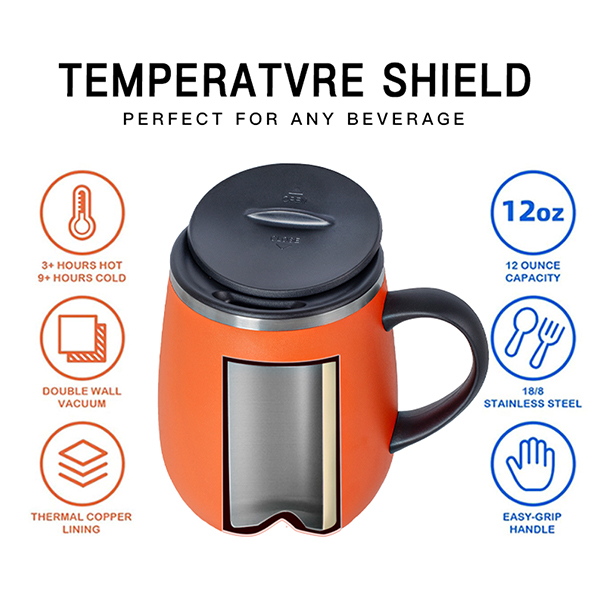
The primary function of a vacuum cup is insulation. A common failure point is the vacuum seal. During inspection, samples should be filled with boiling water. After 5-10 minutes, the exterior body should remain cool to the touch. Any warmth on the outer shell indicates a "loss of vacuum," which is a critical defect.
2. Material Verification
Don't just take the manufacturer鈥檚 word for it. Ensure your inspection team uses a stainless steel testing liquid or an XRF analyzer to verify that the inner wall is indeed 304 or 316 grade stainless steel. Lower-grade steels (like 201) are prone to rusting and do not meet food safety standards for long-term use.
3. Surface Finish and Coating Adhesion
Yongkang is famous for its advanced powder coating, but poor adhesion can lead to peeling. A "Cross-Hatch Tape Test" is essential. By cutting a grid into the coating and applying specialized tape, inspectors can verify how well the finish adheres to the metal.
4. Leak-Proof Trials
A travel mug that leaks is a liability. Inspections must include:
- Inversion Tests: Filling the cup and holding it upside down for 3 minutes.
- Shake Tests: Simulating the movement of a backpack or car cup holder.
5. Food Safety Compliance (FDA/LFGB)
Always verify that the silicone seals and plastic lids are free from BPA and meet the specific regulatory requirements of your target market.
Sourcing from Yongkang gives you access to world-class manufacturing, provided you have the right oversight in place.
Find verified manufacturers here: Yongkang Cupware Industry
Keywords: Sourcing Vacuum Cups, Quality Control China, Drinkware Inspection Guide, B2B Procurement, Yongkang Flask Factory.