

Close
The Smart Lock Revolution: Enhancing Home Security with Biometrics
2026-03-23 | Industry News
The Smart Lock Revolution: Enhancing Home Security with Biometrics
The era of the simple mechanical key is ending. In the rapidly evolving building hardware sector, smart locks are leading the charge. For property developers and B2B hardware distributors, understanding the shift toward biometric security is crucial for future-proofing your product offerings.
The Shift to Biometrics
While PIN codes and RFID cards were the first wave of smart entry, biometrics offer a level of convenience and security that cannot be replicated. Yongkang manufacturers are integrating advanced semiconductor fingerprint sensors that are not only faster but also significantly more secure than traditional optical sensors.
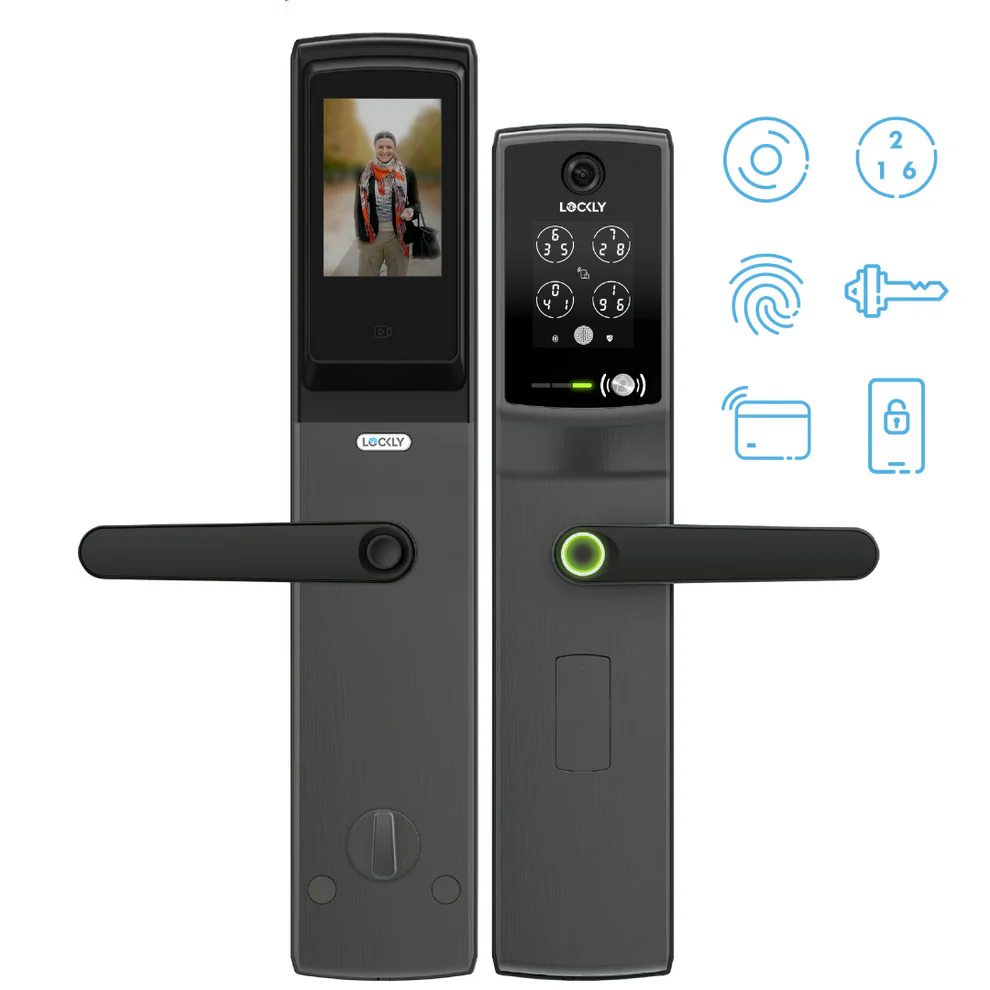
Why Semiconductor Sensors Matter
Older optical sensors essentially took a "photograph" of a fingerprint, which could sometimes be spoofed by a high-resolution image. Modern smart locks produced in Yongkang use live-tissue semiconductor sensors. These measure capacitance and temperature, ensuring that the fingerprint belongs to a living person. This technology significantly reduces the False Acceptance Rate (FAR).
Integration with Smart Home Ecosystems
A lock is no longer a standalone device; it鈥檚 the gateway to the smart home. Our latest models feature built-in Wi-Fi and Zigbee modules, allowing them to connect seamlessly with platforms like Tuya, Google Home, and Amazon Alexa. This allows homeowners to:
- Generate temporary access codes for guests or contractors.
- Receive real-time push notifications when the door is opened.
- Check lock status remotely.
Power Management and Failsafes
One of the main consumer concerns with smart locks is battery failure. Yongkang engineers have optimized the power consumption of these devices so a standard set of AA batteries can last over 12 months. Furthermore, every smart lock we produce includes a concealed mechanical key override and a USB-C emergency power port to ensure users are never locked out.
Sourcing Smart Security
As the demand for smart home integration grows globally, sourcing reliable, high-tech locking mechanisms is essential for any building hardware business.
Upgrade your security catalog: Yongkang Building Hardware Industry
Keywords: Smart Lock Sourcing, Biometric Door Locks, Fingerprint Security, Yongkang Hardware, B2B Smart Home Devices.